
If you lose cell service during a severe storm, hike deep into a backcountry dead zone, or simply want to communicate without relying on big tech infrastructure, standard smartphones quickly become expensive paperweights. While two-way voice radios like GMRS are excellent for real-time coordination, they lack the discretion, text-logging capability, and hands-free convenience of modern messaging.
Enter Meshtastic: an open-source, community-driven ecosystem that pairs the simplicity of a smartphone app with the rugged reliability of low-power radio waves. It allows you to build a completely decentralized, encrypted text-messaging network that requires zero cellular service, zero data plans, and zero subscription fees.
What is Meshtastic?
At its core, Meshtastic is an open-source firmware project that runs on small, inexpensive radio hardware operating on public, license-free frequency bands. Instead of communicating through centralized cell towers, Meshtastic devices link together directly to form a mesh network.
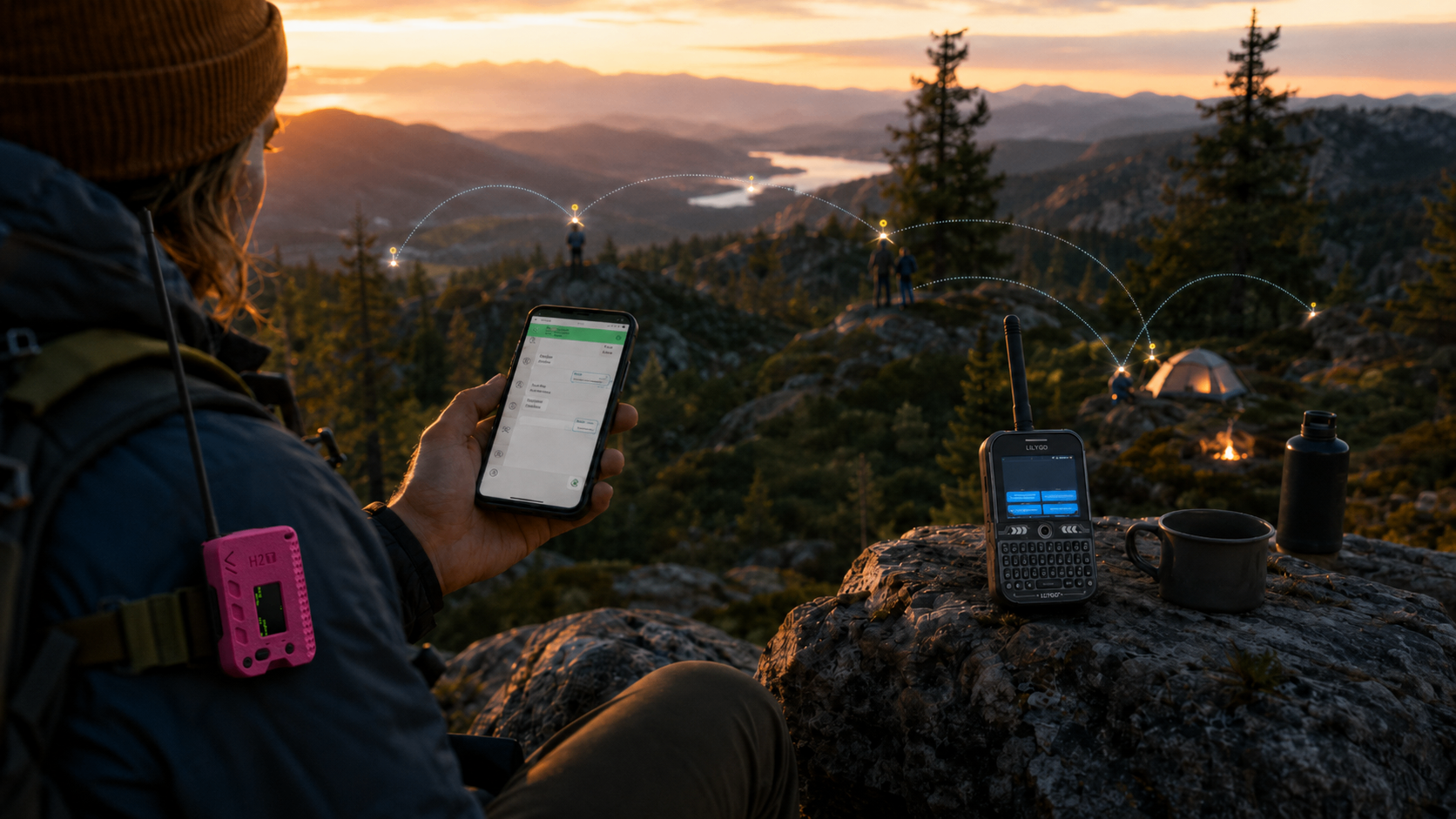
When you send a text message or share your GPS coordinates from your smartphone, the data travels via Bluetooth to your personal Meshtastic node. Your node broadcasts the data over radio frequencies. If your intended recipient is out of your direct line of sight, nearby nodes automatically pick up the encrypted packet and repeat it—hopping from device to device until it reaches its destination.
How the Mesh Works (and Why It’s Resilient)
Traditional wireless communication relies on a hub-and-spoke model: if the central hub (the cell tower) goes down, the entire wheel falls apart. Meshtastic flips this architecture entirely on its head.
- Dynamic Routing: Every active node in a Meshtastic network acts as a miniature repeater. The network automatically configures itself, finding the most efficient path for data to travel through the crowd.
- Strength in Numbers: The broader the community grows, the more robust the network becomes. As more nodes are deployed across a city or trail system, coverage gaps naturally shrink.
- True Privacy: Messages can be sent to public community channels or locked down via secure end-to-end encryption (AES-256) for private family or team communications. Without the specific cryptographic key, anyone intercepting the broadcast will only see unreadable digital noise.
Choosing Your Hardware: Frequency and Form Factors
To get started, you’ll need a dedicated hardware node. Because Meshtastic utilizes unlicensed radio bands, the correct hardware frequency depends strictly on your regional regulations.
Regional Frequencies
- United States / North America: 915 MHz band
- Europe / UK: 868 MHz band
- Australia / New Zealand: 915 MHz band
Frequencies vary globally, so ensure you choose the correct frequency band for your region by checking Meshtastic’s LoRa Region by Country page.
WAVEGUIDE™ Pro Tip: Because Meshtastic relies on standard ISM (Industrial, Scientific, and Medical) radio bands rather than cellular frequencies, network performance depends heavily on physical placement. Elevating a node on a roof, balcony, or backpack strap significantly extends your transmission footprint.
Popular Node Architectures
When shopping for devices through our affiliate partners like Amazon or specialized radio distributors, you will typically run into three distinct design philosophies:
-
The Pocket Communicator (e.g., LILYGO T-Echo): Featuring an energy-efficient e-ink display, integrated GPS, and a built-in battery, these units are ready to go out of the box and are perfect for hiking or everyday carry.
-
The Benchmark Workhorse (e.g., Heltec V3): Affordable and highly customizable, these small developer boards feature crisp OLED screens. They are ideal for building custom enclosures, running desktop base stations, or experimenting with different antennas.
-
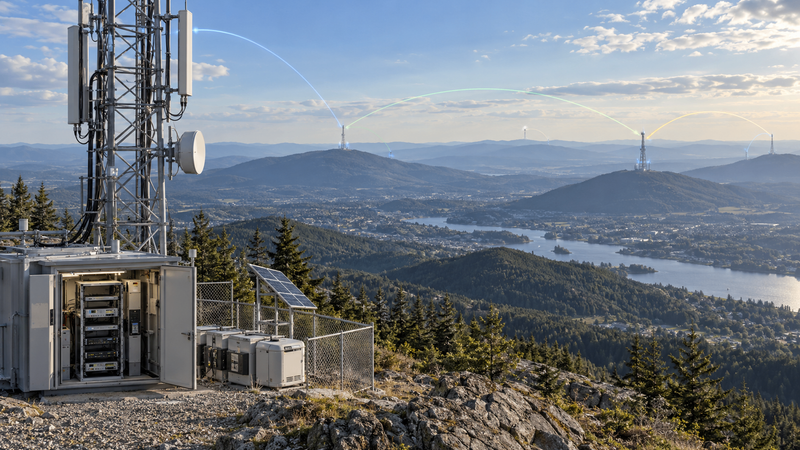
The Modular Eco-System (e.g., RAK wireless WisBlock): Celebrated for its incredibly low power consumption, this modular hardware is the gold standard for building solar-powered stationary nodes that can sit unattended on rooftops or mountaintops for years.
Setting Up Your First Node
Getting your network off the ground takes less than fifteen minutes and requires zero coding experience.
Step 1: Flash the Firmware
Most retail nodes arrive pre-flashed, but updating to the latest stable firmware is incredibly simple using the web-based Meshtastic Flasher tool. You simply plug your device into a computer via a USB-C cable and update it directly through a Chromium-based browser.
Step 2: Download the App
Install the official Meshtastic application on your iOS or Android smartphone.
Step 3: Pair via Bluetooth
Turn on your node, open your phone’s Bluetooth settings, and pair the device. Once connected, the Meshtastic app redirects all text messaging, location sharing, and channel management through your hardware radio.
WAVEGUIDE™ Pro Tip: Always make sure a compatible antenna is securely screwed into your device before powering it on. Running a radio node without an antenna attached can cause transmitted energy to reflect back into the board, permanently damaging the sensitive RF amplifier components.
Recommended Gear Options
To integrate your new off-grid messaging setup with high-quality infrastructure, consider expanding your kit with hardware from our trusted communication providers:
-
Base Station Upgrades: Invest in high-gain fiberglass omnidirectional antennas via Rokland or Amazon to transform a simple desk node into a high-performing neighborhood relay.
-
Portable Kits: Source protective hard-shell cases and rugged power banks from BuyTwoWayRadios to ensure your nodes survive harsh weather conditions during extended field operations.
-
Cross-Platform Emergency Kits: Pair your silent text-mesh framework with robust voice communication gear, such as handheld units from BTECH, Midland, TIDRADIO, or Retevis, creating a comprehensive, multi-tiered backup communications plan.



Purchase Guide
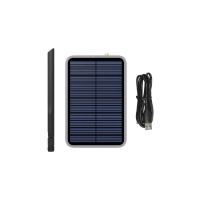
RAKwireless Wismesh Repeater Mini
Meshtastic Solar + Battery + Node All-in-One
Designing a Multi-Tiered Comm Plan
Meshtastic is a powerful evolution in decentralized technology, but it shines brightest when utilized as one element of a broader tactical or emergency communications plan. As documented in our comprehensive layout guide, From Toy to Tool: Why Your Family Needs GMRS in 2026, a resilient household communication plan balances multiple toolsets.
While voice-centric options like myGMRS.com and high-power GMRS repeaters provide instantaneous regional coordination, adding a silent, text-based Meshtastic tier ensures that your family retains continuous data, telemetry, and tracking capabilities—completely independent of the grid.