
You have a site picked out, a repeater in mind, and perhaps even an antenna ready to go. You scan the local repeater portion of the band and find a frequency pair that sounds quiet. Can you simply program the repeater and put it on the air?
Not quite.
One of the first pieces of advice a new repeater builder is likely to hear is, “Talk to your frequency coordinator.” That can raise almost as many questions as it answers. Who is the coordinator? What authority do they have? And if amateur frequencies are shared, why does anyone need to coordinate them in the first place?
Frequency coordination is one of the ways amateur radio manages a limited amount of repeater spectrum without assigning every repeater its own exclusive channel.
What Is a Frequency Coordinator and What Do They Do?
The FCC defines a frequency coordinator as an entity recognized by amateur operators in a local or regional area that recommends repeater or auxiliary-station frequencies and associated operating parameters with the goal of avoiding or minimizing interference.
The important word there is recommends.
A frequency coordinator does not own a collection of repeater frequencies, issue amateur licenses, or act as a regional branch of the FCC. Instead, coordinators help determine where a proposed repeater can fit into the existing RF environment.
Many coordinators are volunteer organizations serving a state, several states, or another defined region. They maintain records of coordinated systems, including repeater input and output frequencies and other operating information. When someone proposes a new repeater, the coordinator compares that system with repeaters already operating in the area and recommends frequencies and parameters intended to minimize conflicts.
That process can involve more than simply looking at a list of frequencies. The proposed site, antenna height, transmitter power, expected coverage area, mode, and nearby systems can all matter. Coordinators may also have to consider repeaters in neighboring coordination regions.
In other words, the question is not simply, “Is someone already using this frequency in my town?” It is, “Can this repeater operate here without creating unreasonable interference for other systems?”
Why Coordination Matters
Listening to the band before installing a repeater is still good practice, but hearing silence does not necessarily mean a frequency pair is available.
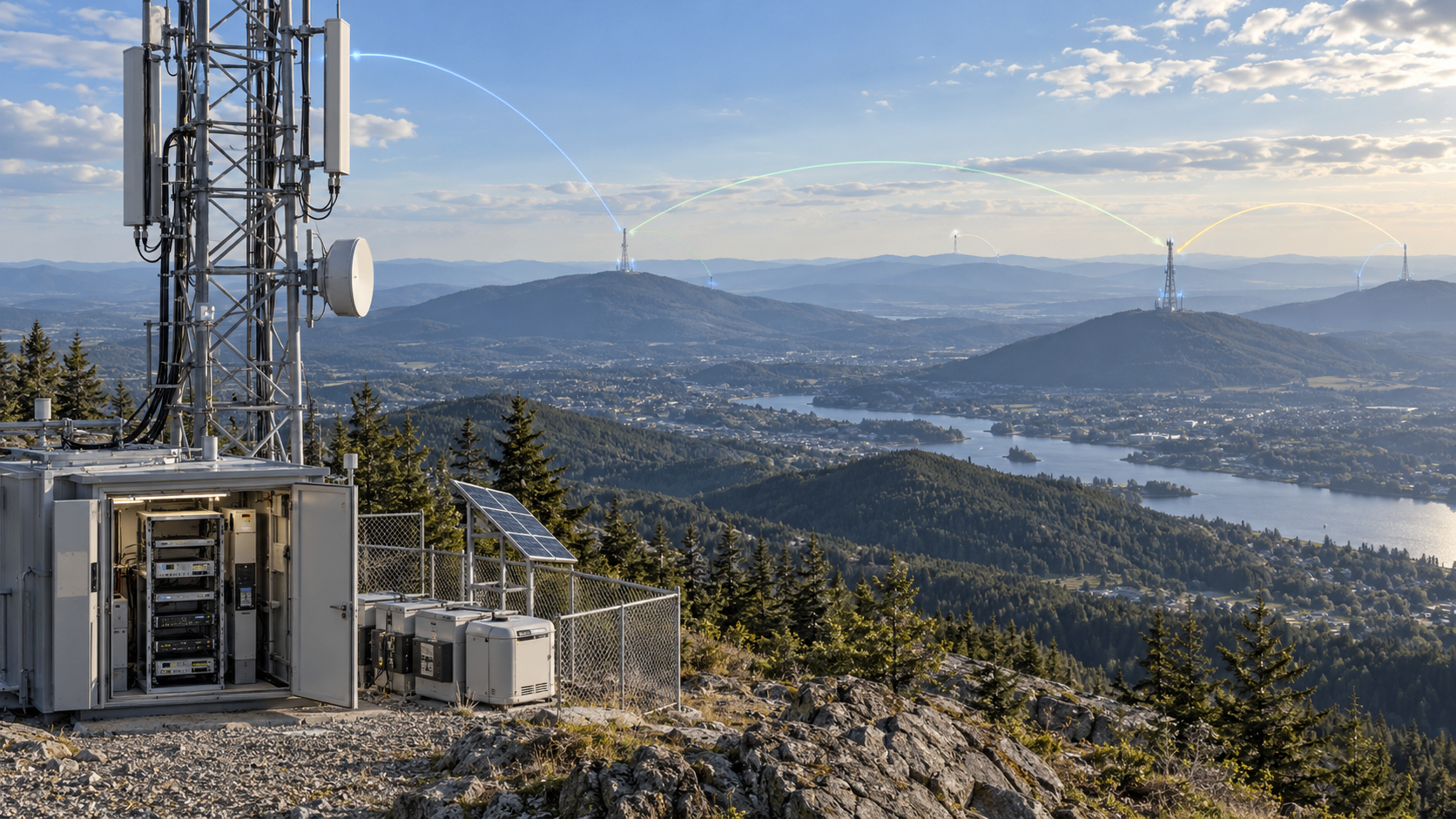
Repeaters are often installed at elevated locations with antennas designed to cover large areas. Two repeaters may be far enough apart that their users rarely hear one another under normal conditions, yet close enough that their coverage areas or input frequencies can interact.
Terrain complicates the picture further. Hills may keep a distant repeater quiet at your home while a proposed mountaintop repeater site has a much clearer path to it. Atmospheric conditions can occasionally extend VHF and UHF signals well beyond their normal coverage areas as well.
That is why coordinators maintain a broader picture than an operator can get from simply scanning from one location.
Coordination does not guarantee that interference will never occur. Radio propagation is too variable for that. The goal is to reduce predictable conflicts and give repeater owners a reasonable framework for sharing a limited number of useful frequency pairs.
How Did Coordinators Get Here and Who Put Them in Charge?
Frequency coordination was not created because the FCC decided every repeater needed a government-assigned channel.
It developed as repeaters became more common and operators increasingly had to share the same portions of the VHF and UHF bands. Local and regional amateur groups began keeping records, developing band plans, and recommending frequency pairs so that new systems could coexist with existing ones.
By the 1980s, repeater congestion and coordination had become significant enough for the FCC to address the issue directly. In PR Docket 85-22, the Commission considered rules surrounding repeater coordination and interference. The resulting regulatory approach recognized frequency coordinators while preserving their local or regional character.
That history explains an unusual feature of the system: the FCC generally does not appoint or certify the frequency coordinator for your area.
Under Part 97, a coordinator is recognized by the amateur operators whose stations are eligible to use that coordination. ARRL likewise notes that it is not itself a frequency coordinator and does not certify coordinators; their standing comes from participation and recognition within the amateur community they serve.
So why does a voluntary recommendation carry so much weight?
Because the FCC rules give coordination practical significance when interference occurs. Under §97.205, if two repeaters cause harmful interference to one another and one is coordinated while the other is not, the licensee of the uncoordinated repeater has the primary responsibility for resolving the interference. If both are coordinated—or neither is—the licensees share responsibility.
That does not make coordination an FCC frequency assignment. It does mean that ignoring the coordination system can put a repeater owner in a considerably weaker position if a conflict develops.
What This Means for Your First Repeater
If you are planning your first amateur repeater, contact the frequency coordinator serving your region early in the project rather than waiting until the hardware is ready to go.
Review the coordinator’s band plan and policies, and be prepared to provide accurate information about the proposed site, antenna, power level, mode, and other technical details. Procedures vary between regions, so there is no single nationwide coordination application or identical set of requirements.
Most importantly, do not assume that a pair is available simply because you cannot hear anyone using it.
A frequency coordinator is not there to claim ownership of a channel or create another layer of licensing. The coordinator’s job is to look beyond what one operator can hear and consider how a new repeater fits alongside the systems already operating across the region.
Amateur repeater coordination is ultimately a form of spectrum self-management. It relies heavily on cooperation between operators, but it is also recognized by FCC rules when interference occurs. For a new repeater owner, working with the coordinator is less about asking permission to use amateur spectrum and more about making sure your new system can be a good RF neighbor once it goes on the air.
Pro Tip: To find your local frequency coordinator, start with the ARRL’s frequency coordinator directory or search for the repeater coordination organization serving your state or region. Local amateur radio clubs can also usually point you to the correct coordinator.