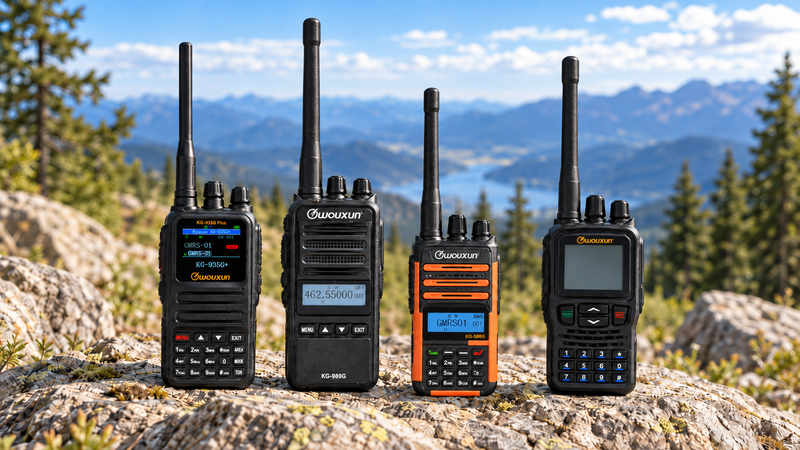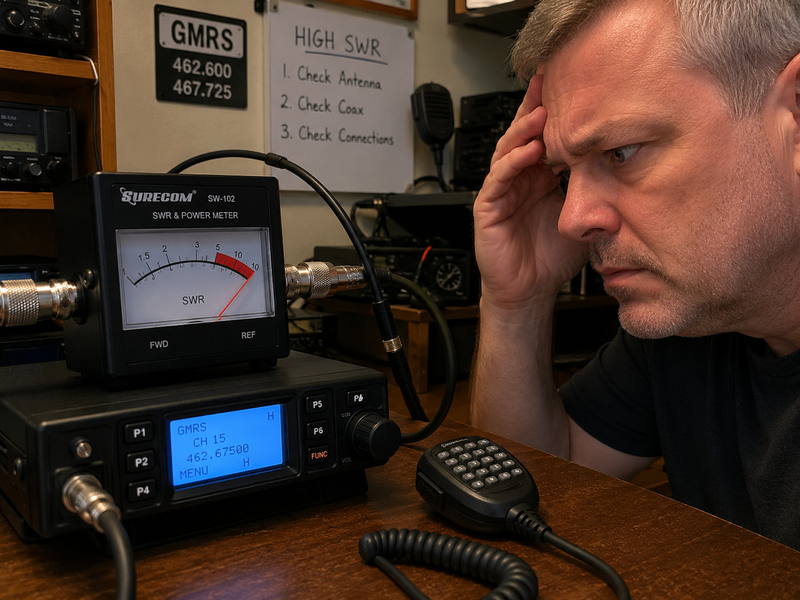

If your idea of a weekend involves hiking, hunting, off-roading, or working deep in the backcountry, you already know that the wilderness doesn’t always play nice with electronics. In environments defined by torrential downpours, thick mud, accidental drops, and freezing temperatures, a reliable GMRS handheld radio isn’t just a convenience, it’s a critical safety lifeline. Unfortunately, the word “waterproof” is tossed around loosely by manufacturers looking to make a quick sale. To ensure you don’t get stranded with a dead brick when you need it most, this guide cuts through the marketing fluff to focus strictly on real-world durability. We look past the buzzwords to analyze verified Ingress Protection (IP) ratings, ruggedness you can rely on, and the outdoor-essential features, like blast-through audio and glove-friendly controls, that separate genuine survival tools from fragile toys.
What “Waterproof” Means: IP Ratings in Plain English
When you’re shopping for a radio that can keep up with your active lifestyle, the best way to separate marketing hype from actual durability is to look for a standardized Ingress Protection (IP) rating. This global standard tells you exactly how well a device’s housing seals out solid particles like dust and liquids like water. The rating consists of two numbers: the first digit measures dust resistance on a scale of 0 to 6, while the second digit measures water resistance on a scale of 0 to 9. Understanding these numbers ensures you don’t overpay for protection you don’t need, or worse, accidentally destroy your gear on day one.
To pick the right radio for your specific outdoor environment, keep these common ratings in mind:
Water Resistant
- IP54, (Splash Resistant)
- The lower water ratings mean these radios can survive rain showers or direct splashes from a kayak paddle, but they are not built for submersion or a consistent direct spray. They are ideal for casual hiking or camping where heavy downpours are your only real threat.
- IP55, and IP56 (Water Jet Resistant)
- While offering slightly more protection than IP54, radios with these ratings can handle direct streams of water. The main difference between the two is spray force. The IP56 handles higher pressure jets than its IP55 counterpart.
Waterproof
- IP67 (The Gold Standard for Outdoors)
- This rating offers the best of both worlds. The “6” means it is entirely dust-tight and the “7” means it can handle full water immersion. If your adventures involve kicking up silt on off-road trails, tracking through muddy hunting grounds, or battling heavy mountain snow, an IP67-rated radio is your safest bet.
- IPX7 (Immersion Ready)
- The “X” simply means it wasn’t officially tested for dust, but the “7” means it can handle total submersion in water up to 1 meter (about 3 feet) for 30 minutes. This is perfect for fly-fishing, canoeing, or any activity where dropping the radio in a stream is a distinct possibility.
The Golden Rule: If a manufacturer advertises a radio as “waterproof” or “weather-resistant” but fails to list an official IP rating anywhere on the box, treat it as rain-resistant at best and keep it protected.
Essential Features That Matter in the Wild
When you are choosing a GMRS radio that will spend its life clipped to a backpack strap, bouncing on an ATV dashboard, or riding on your belt, you need to look past basic specifications and prioritize field-ready resilience. Beyond securing a verified IPX7 or IP67 waterproof rating, pay close attention to the physical build quality; look for thick, heavy-duty polycarbonate casings, tightly sealed rubber ports, and guarded knobs that won’t snap off if the radio takes a hard tumble onto gravel.
Because cold weather and long days quickly drain electronics, ensure the radio features a high-capacity battery, a rugged drop-in charging cradle for basecamp, and ideally, a USB-C port for convenient on-the-go charging from a portable power bank. Finally, communication is entirely useless if you can’t actually hear it. Prioritize radios equipped with a loud, high-wattage internal speaker and robust microphone noise handling to cut through roaring wind or engine noise.
To round out your setup, make sure the unit features intuitive, oversized buttons and channel knobs that can be easily operated while wearing heavy winter gloves, and look for a strong accessory ecosystem so you can easily plug in compatible shoulder speaker-mics, headsets, and hot-swappable spare batteries.
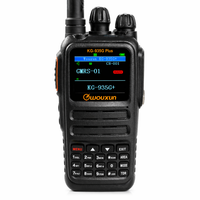
Wouxun KG-935G Plus (Water Resistant Outdoor Powerhouse - IP66)
If you want a premium, high-performance workhorse for general outdoor recreation like off-roading, overlanding, or deep-wilderness hiking, the Wouxun KG-935G Plus is arguably one of the most capable GMRS handhelds on the market. Moving completely away from flimsy, budget “bubble-pack” family radios, Wouxun builds heavy-duty, professional-grade hardware designed to deliver maximum performance in rugged terrain. It may lack a submersible IP67 rating, but its robust, weather-resistant build ensures it doesn’t flinch at heavy downpours or dusty trails.
Why It Shines in the Wild
Maximum Signal Punch: The KG-935G Plus transmits at up to 5.5 watts of power (the maximum allowable limit for GMRS handhelds), giving you the ultimate edge in range when trying to communicate through thick timber, deep valleys, or over mountain ridges. It is also fully repeater-capable right out of the box if you need to dramatically extend your range via local emergency networks.
The Keypad “Channel Wizard”: Field programming a radio from a keypad is traditionally a nightmare. Wouxun solved this with an on-board “Channel Wizard” feature, letting you quickly program simplex or repeater channels on the fly without needing a laptop or a manual.
Upgraded Outdoor Utilities: It boasts an exceptionally loud internal speaker designed to blast clear audio over howling winds or engine noise. It also features a crisp, full-color dual display, a bright built-in LED flashlight, and a revamped NOAA weather alert system that scans for active severe weather warnings in the background without interrupting your primary communication channels.
Flexible Field Charging: The heavy-duty 2600mAh battery pack features a built-in USB-C port right on the back of the battery. This means you can leave the bulky desktop charging cradle at home and charge the radio directly via a solar panel, vehicle port, or portable power bank while deep in the woods.
Purchase Guide
Wouxun KG-935G Plus
Feature-packed, IP66-tough GMRS handheld built for repeater work and real-world outdoor use


Potential Deal-Breakers
While the KG-935G Plus is a premium tank, it does have specific physical thresholds that might make it the wrong choice for certain extreme environments:
Water Limits (IP66 vs IP67): The radio carries an IP66 rating. This means it is entirely dust-tight and can survive incredibly powerful, direct jets of water (like a brutal thunderstorm or a high-pressure wash). However, it is not submersible. If your adventures involve fly-fishing, kayaking, or crossing deep creeks where the radio might take a swim, you should pass on this model and choose a true IP67 submersible unit instead.
Operating Temperature Ceiling: The hardware is rated to operate reliably down to -4°F (-20°C). If you are an extreme high-altitude winter mountaineer or operating in deep sub-zero conditions, the intense cold will severely degrade the battery life and display performance, requiring you to keep the unit insulated inside a jacket pocket.
Size and Weight: Because of its ultra-rugged chassis and high-capacity battery, this radio weighs in at a hefty 17.28 ounces (over a pound). Ultra-light backpackers or minimalist trail runners may find it too bulky compared to smaller, lighter alternatives.
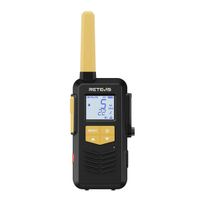
Retevis EZTalk 2S (Cold Weather Warrior - IP67)
If you need a reliable communication tool specifically built to handle freezing alpine temperatures and messy, wet winter sports like backcountry skiing and snowboarding, the Retevis EZTalk 2S is an exceptional option. Shifting away from standard outdoor electronics that sluggishly freeze up the second the thermometer drops, Retevis engineered this model from the ground up to thrive in harsh, frozen environments.
Why It Shines in the Wild
Sub-Zero Battery Engineering: Most lithium-ion radio batteries die rapidly or lose significant voltage in freezing weather. The EZTalk 2S utilizes a chemically optimized 1800mAh battery cell designed to operate safely and efficiently down to a brutal -22°F (-30°C), ensuring your lifeline stays powered when you are deep in the snow.
True Submersible Waterproofing: Unlike splash-resistant consumer models, this radio carries a verified IP67 rating. The chassis is entirely dust-tight and completely sealed against heavy snow melt, ice, and full submersion in water up to 1 meter for 30 minutes. If you take a massive spill in deep powder, you won’t have to worry about moisture frying the internal circuitry.
Intelligent Wind-Noise Reduction: High-altitude mountain winds and rushed skiing can ruin radio transmissions. The EZTalk 2S features built-in automatic noise cancellation that actively strips away distracting environmental wind noise, delivering crisp, clear voice audio to your team.
Alpine Safety Features: Built for off-piste safety, it features a dedicated, single-press SOS distress button that broadcasts a loud emergency signal to your group if you get into trouble. It also features standard USB-C direct charging and an integrated NOAA weather alert system to monitor incoming mountain storms.


Potential Deal-Breakers
Despite its cold-weather prowess, the specialized design of the EZTalk 2S introduces distinct limitations to consider before buying:
Smaller Battery Capacity: To make the battery chemically stable in extreme sub-zero temperatures, the capacity drops down to 1800mAh. While it offers over 10 hours of active field use, it falls short of the massive 2600mAh batteries found in chunkier general-purpose radios. Multi-day trekkers will need to rely heavily on a USB-C power bank to keep it topped off.
No Keypad Interface: This is a simplified, non-display radio with standard manual knobs. While it makes it incredibly rugged and easy to operate blindly with thick winter gloves, it means you cannot program channels or adjust advanced settings on the fly via a screen. You are locked into the channels set out of the box.
High-Temperature Limits: While it is a champ in the cold, it struggles in extreme heat. The specialized battery pack is rated up to a ceiling of 122°F (50°C). If you leave the radio sitting on a sun-baked vehicle dashboard or use it for desert overlanding in the peak of summer, the internal temperature protection circuit will trigger and automatically shut down transmission until the unit cools down.
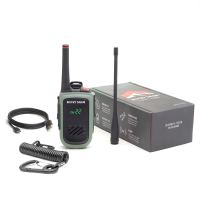
Rocky Talkie Expedition Radio (Lightweight Specialist - IP67)
If you want a radio that bridges the gap between massive, heavy-duty handhelds and minimalist gear, the Rocky Talkie Expedition Radio is an exceptional choice for backcountry adventurers. Built specifically for climbers, paddlers, and deep-wilderness backpackers, this 5-watt GMRS powerhouse strips away unnecessary tactical bulk and replaces it with streamlined, ultra-rugged engineering
Why It Shines in the Wild
Nimble, Weight-Saving Armor: At just 9.1 ounces, the Expedition is explicitly designed to keep your loadout light. It is significantly lighter and less bulky to carry than the chunkier Wouxun (which weighs in at over 17 ounces), yet it manages to feature an incredibly durable, shatterproof LED screen protected by rubber padding.
Advanced Water-Shedding IP67 Rating: While both the Retevis and the Rocky Talkie carry a fully submersible IP67 rating (a critical step up from the splash-proof Wouxun), Rocky Talkie took water management a step further with a specialized mesh-free, water-shedding design. On standard waterproof radios, a dip in a creek logs the speaker fabric, muffling your audio for hours. The Expedition drains water instantly so you can communicate clearly the second you pull it out of a river.
Unrivaled Security Attachments: Most consumer radios rely on cheap plastic belt clips that can snap or slide off under pressure. The Expedition comes integrated with an aggressive steel gator clip with 360-degree rotation and a metal-reinforced backup leash. You can confidently clip it to a climbing harness or backpack strap without worrying about it falling down a cliffside or into a river.
Frigid Battery Performance: Its specialized 1800mAh lithium-ion battery cell delivers an impressive 4 to 6 days of life on a single charge. It is officially rated to function flawlessly down to a bone-chilling -20°F (-29°C) without dropping voltage, making it perfect for high-altitude snow sports where standard electronics rapidly freeze and die.
Purchase Guide
Rocky Talkie Expedition Radio
Durable, Adventure Ready, IP67 Submersible Radio, 5-Watt GMRS Radio
Potential Deal-Breakers
Despite its exceptional design, the hyper-focused backcountry build creates specific limitations for certain users:
No DTMF Keypad for Power Users: To ensure the radio remains simple and completely sealed against the elements, there is no full numeric keypad. While you can easily change standard privacy codes and monitor channels directly on the screen, you cannot manually program advanced, non-standard frequencies on the fly from the device like you can with the Wouxun’s on-board software.
Proprietary Audio Connector: If you like to use external handheld speaker-mics or tactical headsets, note that the Expedition does not use the standard Kenwood 2-pin connector found on most GMRS radios. Instead, it utilizes a proprietary M3 waterproof connector. To run accessories, you are locked into buying Rocky Talkie’s own specialized waterproof hand mics.
Premium Price Tag: Coming in at around $180 per radio, it is a significant upfront financial investment. If you just need a basic radio for casual vehicle-to-vehicle communication during summer road trips, the high-end survival engineering on this unit might be financial overkill.
Keeping Your Radio Water Ready
An IP water-resistance rating degrades over time. Submersion protection relies entirely on delicate rubber gaskets, internal O-rings, and perfectly seated port flaps that wear down from moisture and friction. To ensure your hardware survives a sudden plunge or heavy downpour, you must actively maintain these seals. The rubber covers for headset and charging jacks are the most common failure points; always push them completely flush, and screw external accessory connectors down tightly to fully compress their seals.
Furthermore, never simply wipe down a radio exposed to salt spray or mud. Dried salt crystallizes into microscopic shards that destroy rubber. Instead, keep the battery locked on, seal all ports, rinse the unit gently under lukewarm tap water, and pat it dry. Periodically inspect the battery housing’s perimeter O-ring, replacing it immediately if it feels brittle or gummy. When cleaning, avoid dish soaps or solvents that strip factory waterproof coatings, sticking strictly to fresh water or 70% isopropyl alcohol.
Finally, managing moisture around your power supply is critical to preventing internal damage. Connecting damp charging pins to an electrical current causes immediate short-circuiting and aggressive galvanic corrosion (electrically accelerated rusting), so let all ports air-dry completely before charging. After any deep submersion, pop the battery pack off in a dry environment to clear water trapped in the tight seam between the battery and the radio body, wiping the copper contacts clean. For off-season storage, avoid damp gear lockers; separate the battery from the chassis and store them in a dry room, ideally in a sealed container with silica gel packets to eliminate ambient humidity.
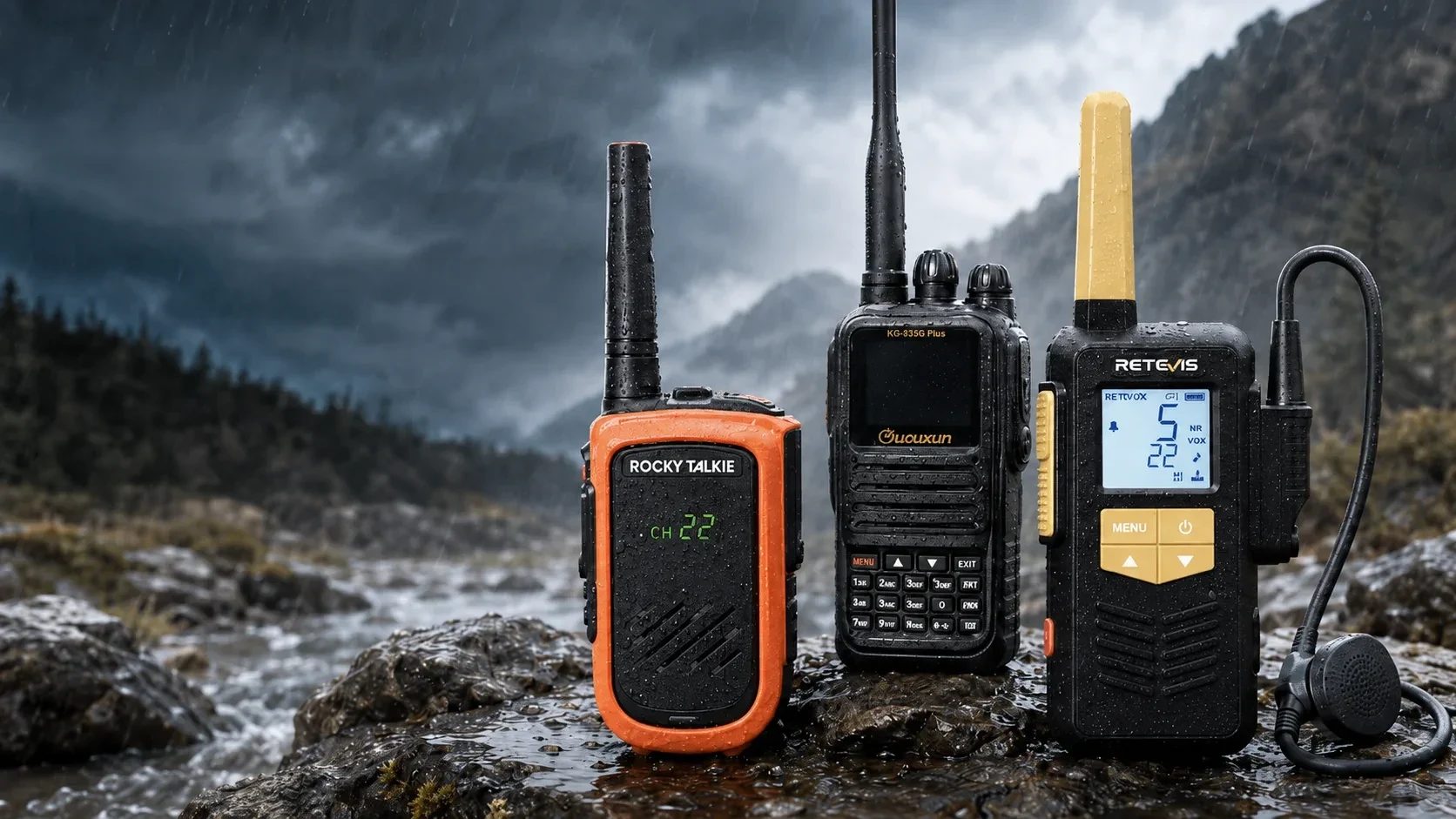
Whether you lean on the heavy-duty power of the Wouxun KG-935G Plus (IP66), choose the freeze-and-splash defense of the Retevis EZTalk 2S (IP67), or carry the ultra-rugged, water-shedding Rocky Talkie Expedition Radio (IP67), matching the right IP rating to your specific environment is only the first step. By combining the unique strengths of these weather-sealed handhelds with disciplined seal maintenance and strict moisture-preventative battery care, you ensure your equipment functions as a true survival lifeline rather than a waterlogged paperweight. With the right waterproof gear on your pack and proper rinsing and drying habits in place, you can head deep into the backcountry, brave severe downpours, or navigate wild river crossings confident that your team is always safely within reach.